
Plan your Umrah trip with ease — rituals, tips, packing, and spiritual preparation in one complete guide for first-time and returning pilgrims.
What is Umrah
The Umrah is a Islamic pilgrimage to Mecca, Saudi Arabia, performed by Muslims that can be undertaken at any time of the year. It’s often referred to as the “lesser pilgrimage” to Hajj, but let’s not be confused by such terminology. It’s anything but diminutive an experience. A chance to purge your soul, fortify your faith, and experience an awesome sense of nearness to Allah.
The spirit of the Umrah is ‘Sacredness and Purity’. Unlike Hajj, which has set dates and more rituals, Umrah can be done whenever you can, allowing Muslims from all over the world to find it easier to plan the trip.
Where Umrah is Performed
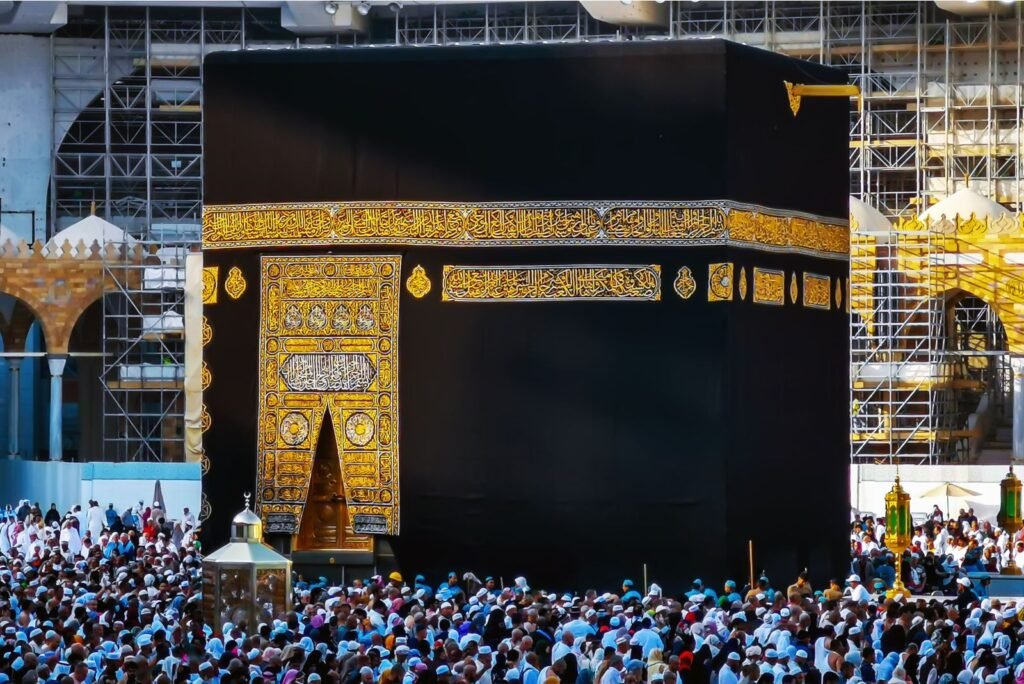
The foundation of Umrah is Masjid al-Haram, The Holy Mosque in Makkah. This holy site contains the Kaaba, the black cube-shaped building that devout Muslims around the world face while they pray. Each and every act of Umrah is performed in or around this holy mosque. From entering into Ihram to finished with tawaf and sa‘i, all worship occurs here.
Difference Between Hajj and Umrah
A lot of the individuals are curious that what is umrah and its difference from the hajj? Haj and Umrah are acts of worship both obligatory and recommended, and Hajj is also a great economic and social institution. There is only Hajj once a year in Dhul-Hijjah however Umrah can be performed throughout the year. There is also the question of length: Hajj lasts for days while Umrah, with the right timing, can be done in a few hours, depending on the throngs.
Main Rituals of Umrah
The umrah consists of a number of rituals that express devotion, humility and the act of faith. These include:
- Entering into Ihram
- Tawaf around the Kaaba
- Sa‘i between al-Safa and al-Marwah
- Halq or Taqsir (Shaving or shortening of the hairs)
Every step comes with a spiritual significance that’s made of a pilgrimage of body and spirit.
Ihram and Its Importance
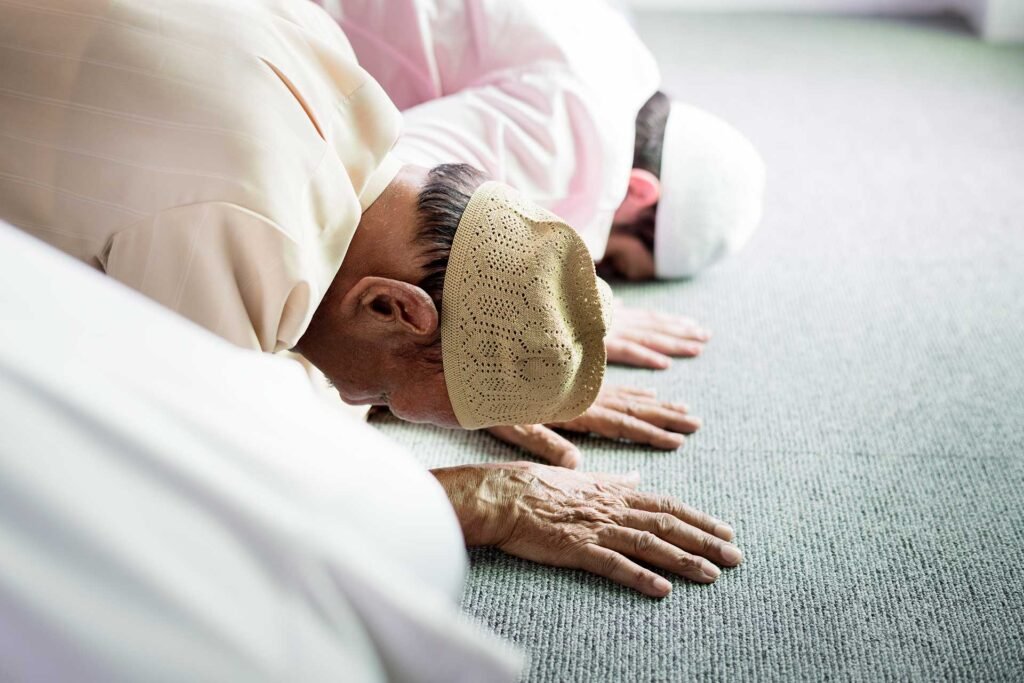
Ihram is not just clothes. For men, this is the two white unstitched garments; for women, it’s modest dress that covers the body. But Ihram is also a condition of purity. Once you articulate your intention (niyyah) for Umrah and you have entered Ihram, you are forbidden from certain things like cutting hair, applying perfume, or buying/selling with an arguement. It’s a mental reset that puts you in a place of humility and devotion.
Tawaf Around the Kaaba
Tawaf is walking seven times around the Kaaba in a counterclockwise direction. Think of joining an enormous river of humanity, everybody in unison, focused on Allah. It’s a powerful reminder that, regardless of where we come from, our faith binds us in one direction. Every round can be a time to pray, reflect and give thanks.
Sa‘i Between Safa and Marwah
After Tawaf, it is time for Sa‘i, as you walk seven times between the two hills of Safa and Marwah. This ritual honors Hajar who desperately looked for water for her son Ismail. And 77 years later her dedication is paid tribute to by countless others following in her footsteps. The Sa‘i is physical and emotional, epitomizing trust in Allah’s bounty.
Halq or Taqsir at the End
Finally, whether it is shaving (halq) or taqseer (trim your hair). Women will typically snip a small lock. This is an act of renewal and submission also as it shows the ‘ending’ of your Umrah acts.
Preparing for Your Umrah Trip
Preparation makes all the difference. The spiritual process is the focus, but the logistical stuff keeps everything moving on track. Get organized early Begin preparing for travel and collect necessary documents.
Visa and Travel Requirements
Before you go, look at the most recent visa requirements. Saudi Arabia will facilitate special Umrah visas, and in some instances, tourist visas can be used for the purpose of Umrah. Always have at least six months’ validity on your passport and copies of your documents. Peace of mind travel insurance is also recommended.
Health and Vaccination Tips
Crowds, weather and long days make your health count. Stay hydrated, consume a light diet, and get vaccinated or follow-up with preventative measures as mandated by the Saudi Ministry of Health. Take medication with you if you need to, and if you have medical conditions, take a doctor’s note with you as well as your prescription drugs.
Essential Packing List
Your packing should be lightweight but functional. Here’s what helps most:
- Comfortable, modest clothing
- Ihram garments
- Travel prayer mat
- Slip-on sandals or shoes
- Mini backpack for water and misc.
- Portable charger for your phone
- Basic medical kit
- Notebook for duas and reflections
Small items like a reusable water bottle or a face mask can greatly improve your comfort.
Flights and Accommodation
When booking flights, look at direct and connecting ones. For hotels, distance from the Haram is worth the higher price: The closer you are, the less difficult is your daily routine. Money Can Talk Packages that include airfare, hotels and transfers can save money, as well as your sanity.
Best Time to Perform Umrah
Umrah can actually be done at any time of year, but when you go matters. Ramadan brings supreme spiritual rewards but also larger crowds and inflated prices. Quieter, more budget-friendly times of year, such as Safar or Rabi‘ al-Awwal. Consider whether you seek the fervor of Ramadan or the tranquillity of more subdued months.
Managing Crowds and Staying Safe
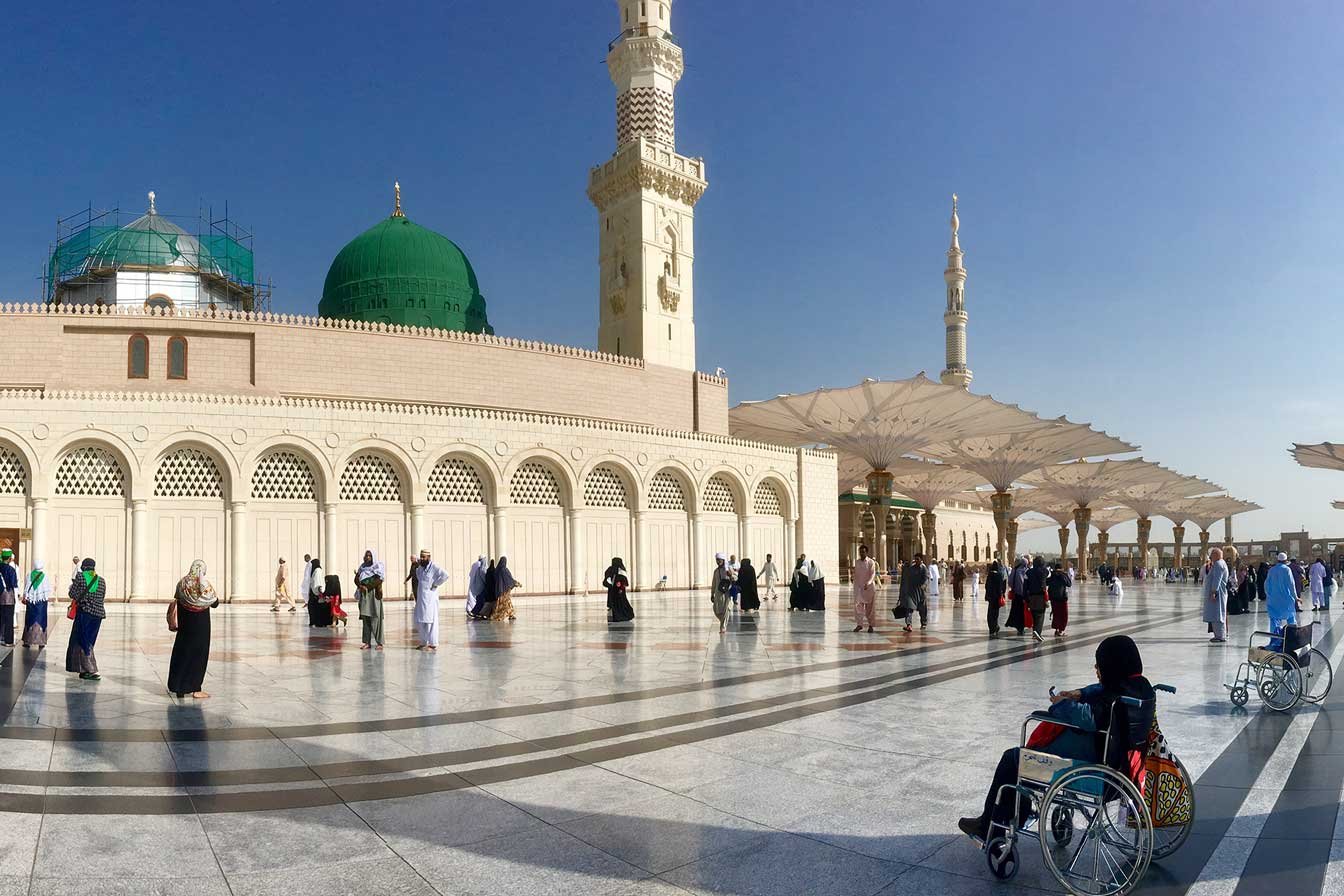
Makkah can get incredibly crowded. Take your time, do not rush and arrange rituals at non-rush hours such as early morning. Bring your ID with you and hang on to your hotel card. For safety, designate meeting spots with your group in case anyone becomes separated.
Advice for Families and Older Pilgrims
Jet-setting with family or elderly parents brings responsibility. Select building with simple accessibility, plan to take breaks, and take advantage of wheelchairs or electric carts situated in the Haram. For the kids, the less ‘hoopla’ the better, but explain what is being performed to them is a good idea to maintain their interest.
Spiritual Preparation Before Traveling
And beyond bags and tickets: Prepare your heart. Please make amends with many of those you have hurt in the past. Learn quick duas and think of what you want to achieve. Consider Umrah less as a journey to Makkah and more a journey into yourself, a time to cast off life’s trappings and renew faith.
Life After Umrah
Your Umrah is not over when you land home. The question is how you carry the peace, humility and spiritual habits into your daily life.” Keep up the supererogatory prayers, keep dispensing charity, and remember the fraternity you experienced at the Kaaba. In many ways, the true Umrah starts when you get back home and have to figure out how you can continue to live with the same zeal.”
Conclusion
An Umrah visit is more than a pilgrimage — it is a transformative experience. From the moment we first enter into Ihram, until the last snip of hair, every ritual has meaning. Careful planning ensures your trip goes off without a hitch, the real treasure being how you transform along the way. New or Repeat, Make Umrah a Blessed Pillgrimage From the first time round or if you are returning, Umrah is a chance to refuel the Imaan, wash away the sins and remind it to focus what matters to it.
FAQs
Q1: What is the duration of Umrah?
Most do the rituals in a few hours, but budget for a full day to rest and pray.
Q2: Can I do umrah without a group?
Yes, scores of pilgrims travel independently, but for first-timers, group packages can be invaluable.
Q3: Can umrah be offered on tourist visa?
Yes, in many cases. Saudi Arabia allows Umrah with both Umrah and tourist visas, though visit the latest rules.
Q4: If I lose my way, what should I do?”
Keep calm, meet at a meeting point, and have the hotel card with the address in Arabic with you.
Q5: What can I do to retain the spiritual essence post-Umrah?
Keep up the daily prayers, keep up the charities, tell people what you went through, and just keep making dua to Allah.
