
The call to perform Umrah is a cherished aspiration for Muslims across the United Kingdom, a journey of profound spiritual significance. To help you prepare, we have gathered these practical Umrah pilgrimage tips to guide you. Ensuring the practical aspects are handled with care allows the heart to remain focused on worship, transforming a planned trip into a seamless and faith-enriching pilgrimage.
Essential Umrah pilgrimage tips for early planning
The foundations of a peaceful pilgrimage are laid long before you depart from the UK. This early preparation is an act of devotion, setting the stage for a journey free from worldly concerns. A vital first step is registering on the official Nusuk platform. This is mandatory for all pilgrims and ensures your access to the holy sites for performing your rituals is recognised and smooth. For a detailed walkthrough, the Saudi Ministry of Hajj and Umrah provides an official guide to help you complete the process correctly.
Choosing your travel dates is another important consideration. The cooler winter months offer respite from the heat, while off-peak periods outside of school holidays can provide a quieter, more contemplative atmosphere. This thoughtful Umrah travel advice extends to your accommodation. Selecting a hotel near the Haram is not a luxury but a practical decision that conserves your energy for Tawaf, Sa’i, and prayer. It allows for easy returns between prayers, giving you more time for rest and reflection.
Finding a package that includes well-located hotels is a crucial part of this preparation, and our team at My Umrah Trip is here to assist you with these arrangements. By organising these details with care, you free your mind and heart to focus entirely on the spiritual purpose of your journey.
Preparing your body and mind for the journey
Your Umrah journey begins with your intention, but preparing your body is just as important for fulfilling your acts of worship. Pilgrims often walk between 8 and 15 kilometres each day, so building physical stamina is wise. A simple routine of daily walks in the weeks leading up to your departure can make a significant difference, helping you manage the physical demands with greater ease.
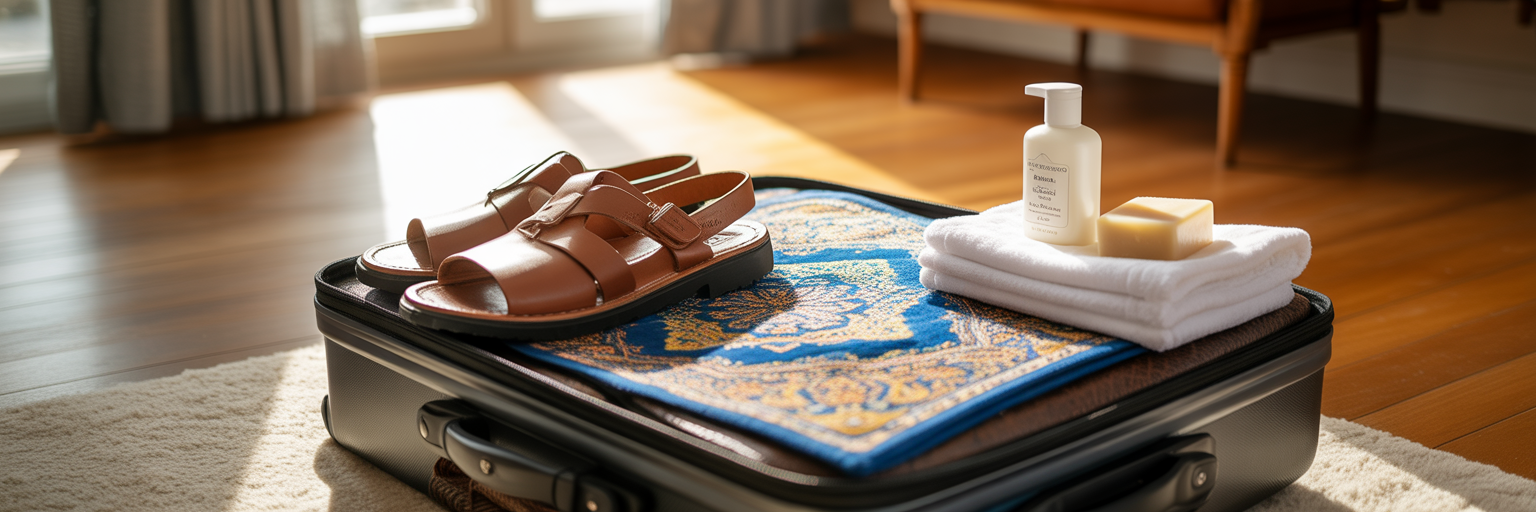
Packing with purpose also contributes to a focused mind. Your suitcase should contain items that support both the physical and spiritual aspects of your pilgrimage. This includes essentials for the state of Ihram, where certain products are not permitted. To assist you, we have prepared a checklist of key items.
Essential Packing Checklist for Umrah
| Category | Essential Items | Reason/Tip |
|---|---|---|
| Ritual & Worship | Ihram garments, prayer mat, travel-size Quran, du’a book | Ensure Ihram is worn before the Miqat. A personal prayer mat is useful for prayers outside the main halls. |
| Health & Hygiene | Fragrance-free soap, shampoo, deodorant, sunscreen, rehydration salts, basic pain relief (e.g., paracetamol) | Fragranced products are not permitted in the state of Ihram. Sunscreen and hydration are vital. |
| Footwear & Clothing | Comfortable, broken-in walking sandals/shoes, light cotton clothing | You will walk extensively. Prioritise comfort to prevent blisters and fatigue. |
| Documents & Security | Passport, visa, Nusuk confirmation, small secure bag | Keep digital and physical copies of documents. A small bag is essential for carrying essentials during Tawaf. |
Alongside this physical preparation, take time to prepare spiritually. Renew your intention (niyyah), seek knowledge about the rites you are about to perform, and ask Allah for acceptance. This holistic approach ensures you arrive in Makkah ready in body, mind, and soul.
Navigating the holy sites with peace and ease
Once you arrive, understanding how to move within the holy sites can transform your experience from overwhelming to awe-inspiring. The sheer number of fellow pilgrims can be daunting, but with patience and planning, you can find moments of deep tranquility. One of the most effective strategies is to perform your rituals during off-peak hours. The hours after Isha prayer or in the very early morning before Fajr are often less crowded, allowing for a more personal and focused act of worship.
While the expansion of the Mataf has greatly increased capacity, patience remains a pilgrim’s greatest asset. If you are travelling with family or a group, clear communication is essential for a smooth Umrah journey. Before starting Tawaf, agree on a specific meeting point, such as a numbered gate, in case you get separated. It can also be helpful to assign one person the responsibility of keeping count of the circuits, allowing others to concentrate fully on their du’a and supplications.
For first-time visitors, familiarising yourself with the layout of the Grand Mosque can reduce anxiety. Understand the locations of the Mataf (the area for Tawaf), the Mas’a (the path for Sa’i), and the numerous Zamzam water dispensers. This simple awareness helps you navigate with confidence, allowing your heart to remain connected to the divine presence surrounding you.
Maintaining your health and energy for Umrah
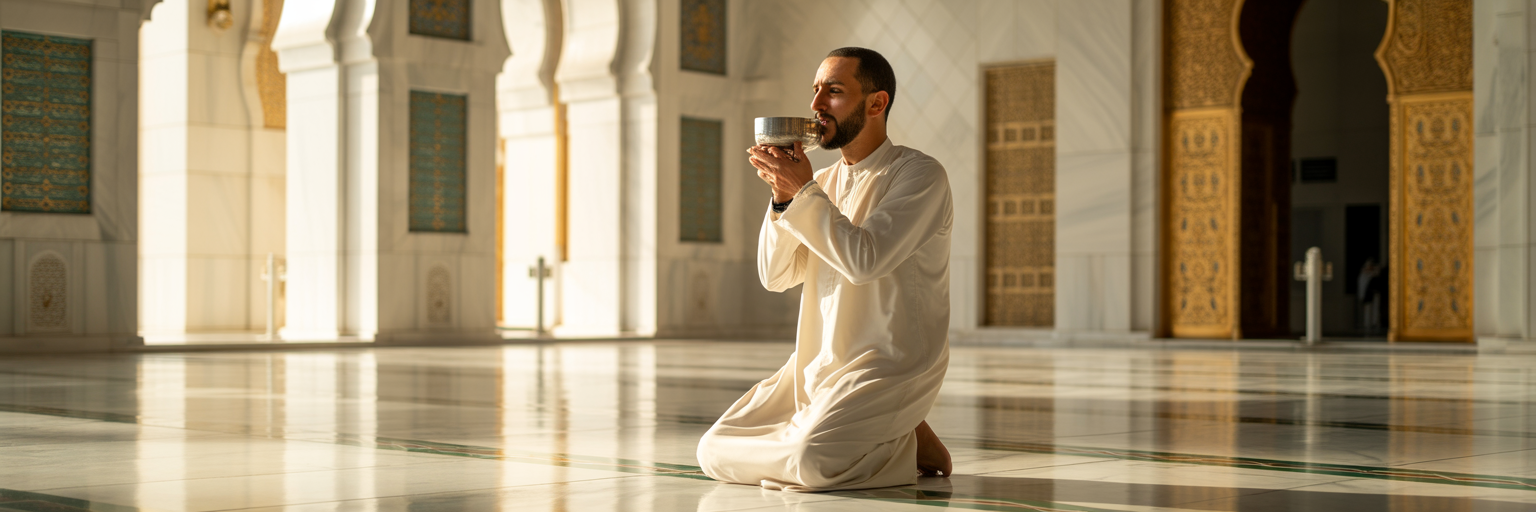
Your physical well-being is a trust (amanah) from Allah, and preserving it is essential for completing your worship with full devotion. The physical demands of Umrah, combined with a different climate, require mindful self-care. Simple but consistent Umrah health tips can help you maintain your strength throughout the pilgrimage. Hydration is paramount. The blessed Zamzam water is readily available throughout the holy mosques, so make a habit of drinking it frequently, even if you do not feel thirsty.
To ensure you remain healthy and energised, consider these key practices:
- Make hydration with Zamzam water a priority: Regularly drink from the coolers throughout the mosques to stay hydrated, especially in warmer weather.
- Protect your feet and manage your energy: Wear supportive footwear and listen to your body, taking short rests between rituals to maintain stamina.
- Follow basic health and hygiene practices: Carry hand sanitiser and wash hands frequently to stay healthy in crowded areas and ensure you can complete your worship without interruption.
By taking these small, practical steps, you honour the body that Allah has given you, ensuring you have the physical capacity to immerse yourself fully in prayer and reflection.
Fulfilling your Umrah rituals with devotion
The core of your journey lies in the beautiful and symbolic rituals of Umrah. Approaching them with knowledge and a present heart turns each physical action into a profound conversation with your Creator. The first step is entering the sacred state of Ihram, a state of purity and devotion. It is critical to assume Ihram before crossing the designated Miqat point, as this marks the formal intention to begin your pilgrimage. Once in Ihram, certain actions are restricted to help you detach from worldly matters.
The main rites of Umrah are simple in sequence but deep in meaning. These tips for Umrah rituals can help you perform them with focus:
- Entering the state of Ihram at the designated Miqat.
- Performing Tawaf: The seven circuits around the Holy Kaaba, a continuous act of remembrance and praise.
- Performing Sa’i: Walking and jogging seven times between the hills of Safa and Marwah, commemorating the struggle and faith of Hajar.
- Halq or Taqsir: Shaving or trimming the hair to signify the completion of Umrah and release from the state of Ihram.
During Tawaf and Sa’i, it is beneficial to have learned some key du’as. However, do not feel restricted to them. Speak to Allah from your heart, in your own language, expressing your hopes, gratitude, and repentance. This personal connection is what makes the experience uniquely yours and spiritually fulfilling.
Making your pilgrimage spiritually rewarding
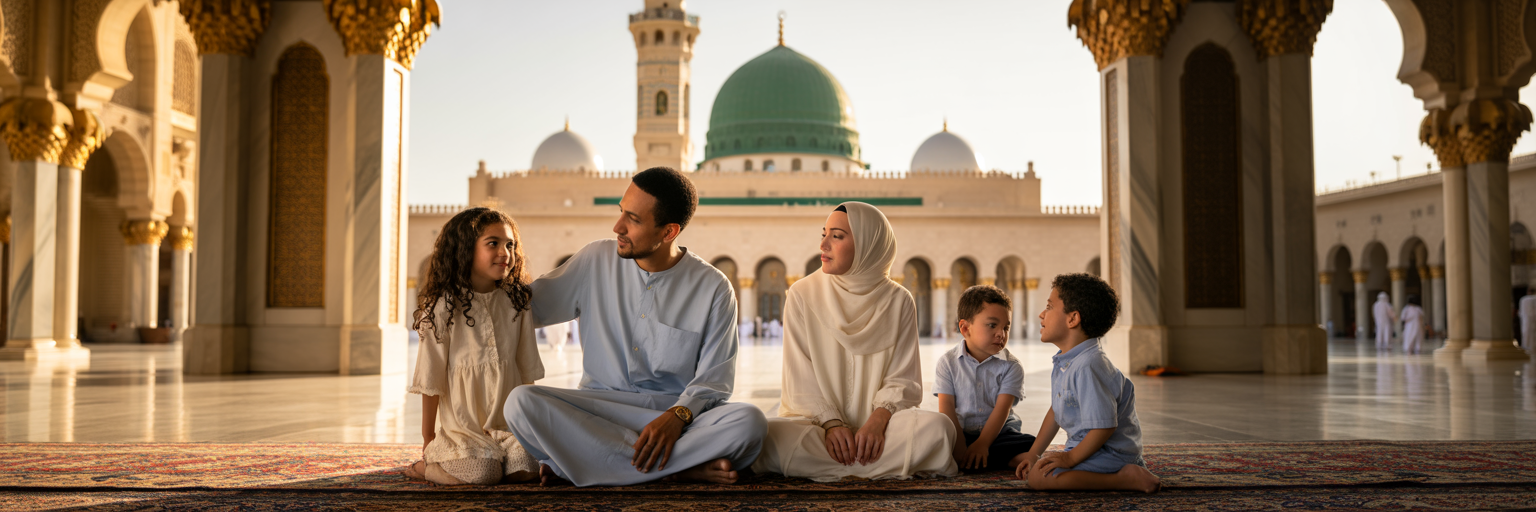
Beyond the practical steps and prescribed rituals, the true reward of Umrah is found in the state of your heart. To cultivate this inner peace, it is helpful to set your spiritual priorities. Focus your energy on the obligatory prayers and the core rites of Umrah. While visiting other historical sites (ziyarah) can be enriching, these should not come at the expense of your primary acts of worship.
Patience, or sabr, is one of the most important provisions for this journey. You will encounter crowds, delays, and moments of fatigue. Viewing these challenges as opportunities to practice patience transforms them into acts of worship themselves, earning you immense reward. It is a test of character and a chance to draw closer to Allah through forbearance.
Finally, make a conscious effort to disconnect from worldly distractions. Put your mobile phone away when you are in the Haram, and resist the urge to capture every moment. True connection is not made through a lens but through a heart that is present and attentive. By minimising distractions, you create space for a deeper, more meaningful connection with your Creator. A truly smooth Umrah is one where the heart finds its home in remembrance, and all your preparation is in service of that ultimate peace.